Chafing, black toenails and the things nobody warns you about
Nobody puts this in the beginner guides. Where chafing happens, why toenails turn black, what to do about blisters, and the fixes that genuinely work.
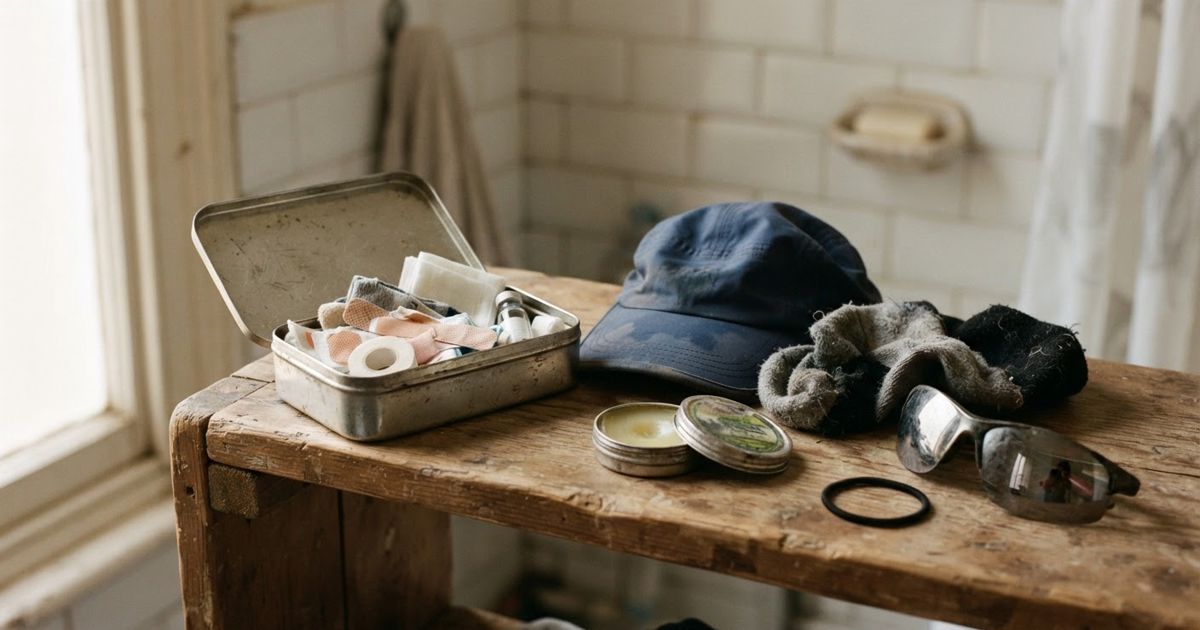
Table of contents
Distance running is mostly wonderful and partly gross. Here is the part the beginner guides skip.
Chafing
Skin rubbing skin, or skin rubbing fabric, thousands of times, with salt as a lubricant substitute. The usual locations: inner thighs, underarms, along the sports bra band, and — for reasons of geometry and seams — nipples.
What works, roughly in order:
- Better-fitting kit. Most chafing is a fit problem. Anything that shifts as you move creates friction; anything too tight creates pressure. Bra fit specifically is the biggest single lever for the band and underarm areas.
- Anti-chafe balm applied before, not after. Cheap, works, and there is no prize for suffering.
- Flat or bonded seams rather than stitched ridges.
- Rinse the salt off your kit after every run. Dried sweat crystals are genuinely abrasive, and this is the step most people skip.
Wet weather makes everything worse. Long runs in rain deserve extra balm.
Black toenails
Blood pooling under the nail from repeated impact against the front of the shoe. It looks alarming and is usually painless.
The cause is almost always shoes that are too short — remembering that feet swell over a run, so a shoe that fits at rest can be too short at kilometre ten. Half a size up, thumbnail of room, as covered here.
Also worth checking: lacing. A loose heel lets your foot slide forward on every downhill step. A heel-lock lacing pattern fixes more toenail problems than people expect.
Leave it alone unless it is painful or the pressure is building — that is a doctor or a pharmacist, not a needle at home. It will grow out over months. The nail may fall off; a new one comes.
Blisters
Friction plus moisture plus heat. Prevention beats treatment:
- Proper running socks. Synthetic or wool, never cotton. Cotton holds water against the skin and is the single worst choice.
- Sock fit matters almost as much as shoe fit — bunching creates hot spots.
- Treat hot spots immediately. The moment you feel one, stop and deal with it. Five minutes then saves a week.
If one forms and it is intact, generally leave it — the skin is a sterile dressing. If it is large and painful, a pharmacist can advise on draining it safely.
Runner's stomach
The polite name for urgently needing a toilet mid-run. Blood diverts away from the gut during exercise, and the jostling does the rest.
- Watch fibre and fat in the hours before, not just the calories
- Watch caffeine, which is a common trigger and one people overlook
- Practise your fuelling in training, never for the first time on race day — the fuelling article covers the training-your-gut idea
- Know your route's toilets. Genuinely useful planning
Losing bladder control
Common, rarely discussed, and treatable. Stress incontinence during running affects a substantial share of women who run, particularly after pregnancy, and it is not something to simply accept as the price of the sport.
A pelvic health physiotherapist is the right person. This is a well-understood area with good outcomes and it is worth asking about rather than quietly reducing your running.
The general point
Almost everything on this page is a fit or friction problem with a cheap fix. Very little of it requires toughing anything out.